
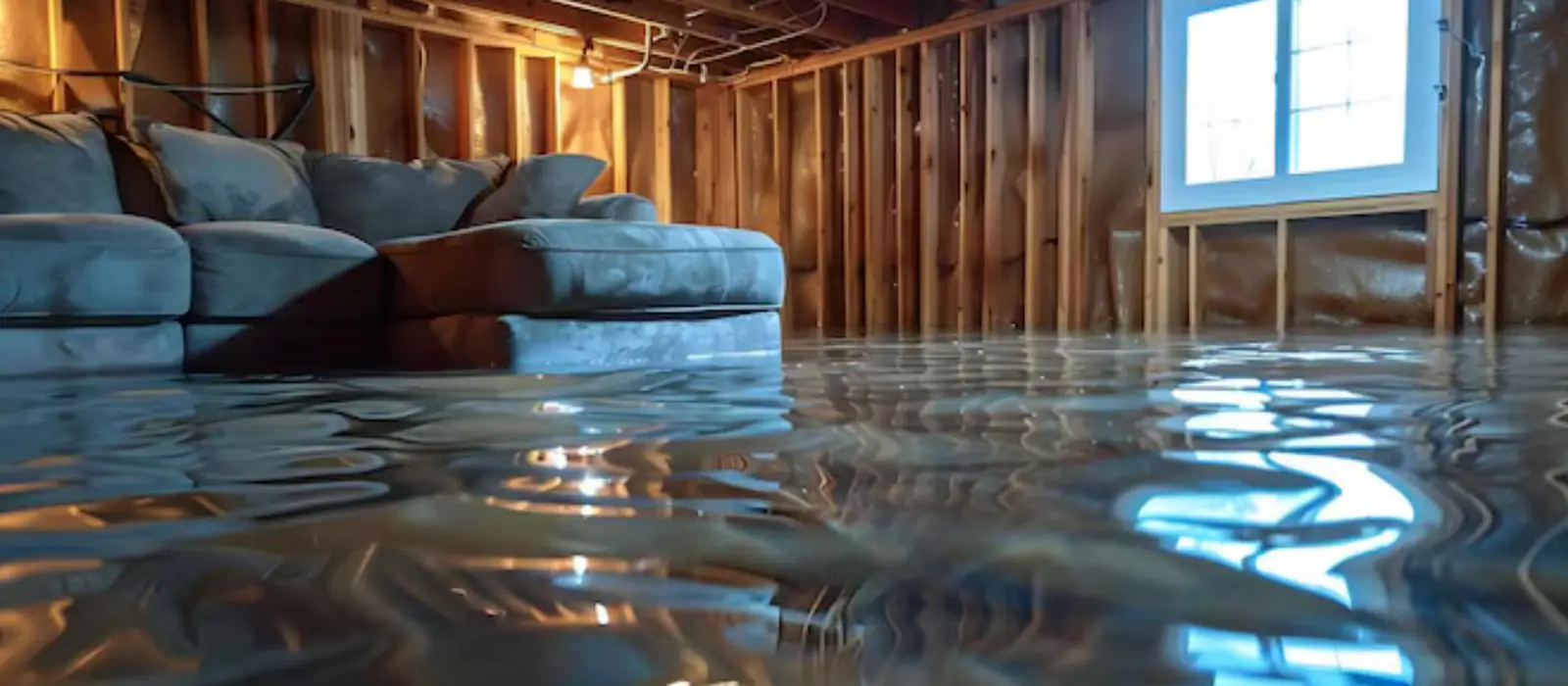
When water collects in a basement, a walkout level, a garage or a below-grade utility room, the cleanup order matters more than speed alone. Anyone searching for basement flood cleanup services in Coppell, TX is usually standing at the top of the stairs wondering whether it is safe to go down.
This guide follows the sequence a crew uses, from the first safety check to the last moisture reading. It also explains what usually has to be thrown away, because that is the part homeowners are least prepared for.
Start with electrical safety before anything else
Water in a low room often reaches outlets, a furnace, a water heater, a freezer or a panel. Do not walk into standing water if any of those could be energized. If the main panel is dry and you can reach it without crossing water, switching off power to the affected area is reasonable.
If the panel is wet, or you are not sure, stay out and call the utility or 911 before calling a restoration company. Gas smells and sparking are never a restoration problem first.
Work out what kind of water you are dealing with
Restoration crews classify water into three categories. Category 1 comes from a clean source such as a broken supply line. Category 2 carries some contamination, such as washing machine discharge. Category 3 is grossly contaminated, and it includes sewage backup and rising floodwater that has crossed soil and yards.
The category sets the safety rules and the list of what can be saved. Water that began as Category 1 turns into Category 2 or worse after it sits, which is one reason waiting overnight changes the job.
| Category | Typical source | What it means for materials |
|---|---|---|
| Category 1 | Supply line, tank or appliance line failure | Many materials can be dried in place if started quickly |
| Category 2 | Washer discharge, sump overflow, dishwasher backflow | Carpet pad and soft goods are usually discarded, hard surfaces cleaned |
| Category 3 | Sewage backup, creek or storm floodwater | Porous materials removed, surfaces cleaned and sanitized, crew uses protective gear |
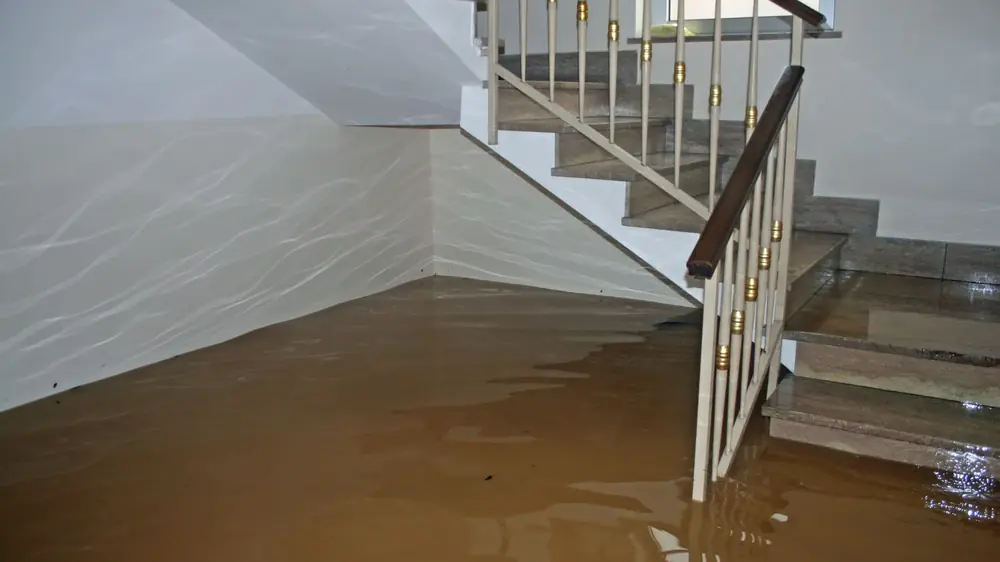
Pumping and extraction come before drying
A crew removes the bulk water first. Submersible pumps handle deep standing water, and truck-mounted or portable extraction units pull water out of carpet, pad and the first layer of subfloor. Every gallon removed this way is a gallon that does not have to evaporate, which shortens the whole job.
Pumping depth matters too. Water that has been inside a foundation wall pocket or beneath a floor covering will not drain with the rest, so it is chased with extraction wands and, when necessary, small holes drilled to release trapped moisture.
If the water is still entering, the extraction work is on hold until the source is controlled. The details of that first phase are on the emergency water removal page.
What usually gets removed
- Wall-to-wall carpet and pad, which are cheaper to replace than to decontaminate after Category 2 or 3 water.
- Drywall that has wicked water above the flood line, typically cut a measured height above the highest visible stain.
- Wet insulation inside exterior walls.
- Particleboard cabinets and vanities that swell and delaminate.
- Stored cardboard boxes, upholstery and mattresses.
Solid wood framing, concrete and many hard-surface items can be cleaned and dried. The dividing line is porosity, because porous material holds contaminants and moisture long after the surface looks fine.
Drying a below-grade room takes equipment and time
Once the debris is out, air movers are set to push dry air across wet surfaces, and LGR dehumidifiers pull the moisture out of the air so evaporation keeps going. Desiccant units are used in cold or very damp rooms where refrigerant dehumidifiers slow down.
Technicians record moisture readings on the framing, slab edges and wall bases every day and adjust equipment placement. The job ends when the readings reach the drying goal for each material, not when the room feels dry to the touch.
Cleaning, sanitizing and deodorizing
After drying, the exposed surfaces are cleaned with detergent-based products, and sanitizer is applied where contamination was a concern. Odor control follows the same logic, with the source removed first and the air treated second. Fogging a room that still holds wet carpet pad only masks the smell for a day.
Cleanup is the stage covered on the water damage cleanup page, and it usually overlaps with the final days of drying.
What to photograph before anyone starts hauling things out
Take wide shots of every wall, close shots of the waterline and photos of each damaged item, with the date visible if possible. Make a list of electronics, furniture and stored goods.
Keep samples of flooring and cabinet material until your adjuster has seen them if you can do so safely. Insurers evaluate what you can show, and the crew should also keep its own written moisture log for the file.
Standing water in a low room right now?
Call the 24/7 line, tell dispatch what category of water it appears to be, and ask what to do while the crew is on the way.
Professional flood work follows the ANSI/IICRC S500 water damage restoration standard, which treats floodwater as Category 3 and calls for removing the porous materials it has touched. Ask any company you call whether its crews work to it, and what that means for your carpet, pad and lower drywall.
Coppell flood and floodplain notes
The City of Coppell reports that four waterways flow through or border the city: Denton Creek, Grapevine Creek, Cottonwood Creek and the Elm Fork of the Trinity River. Homes near those corridors should know where they sit before a storm, because creek-fed water is treated as Category 3.
In June 2015, rain from Tropical Storm Bill pushed Lake Grapevine to overflow into Denton Creek, and hundreds of Coppell residents woke to creek water in their yards. If you live near the creek, that event is a useful reminder to move valuables off low shelves and confirm your coverage before the next one.
The city's Engineering Department at 265 Parkway Blvd keeps floodplain maps and can evaluate whether a property is in or near a floodplain. The city also notes that homeowners policies do not cover rising water, that a separate flood policy carries a 30-day waiting period, and that a floodplain development permit is required before improvements in the floodplain. Ask about those before you rebuild a low room.
Frequently asked questions
Can I pump out a flooded basement myself?
Only if electrical hazards are controlled and the water is clean. Pumping too fast against saturated soil can also stress a foundation wall, which is why crews remove water in stages when outside ground is wet.
Is a flooded garage or utility room handled the same way as a basement?
Yes. The same sequence of safety, extraction, removal of wet materials, drying and cleaning applies to any room where water collected below the surrounding grade or on slab.
Does homeowners insurance pay for basement flood cleanup?
Sudden and accidental water damage is often covered, but rising water from outside flooding is usually excluded and needs separate flood coverage. Check your policy or ask your insurer before the work is scoped.
How long does drying a flooded low room take in Coppell?
It depends on the water category, the materials and the humidity that week, and the crew confirms the end date by moisture readings rather than a fixed number of days.
Do you serve flooded rooms outside Coppell?
Dispatch also covers Lewisville and Grapevine, where lake and creek runoff can send water into low areas of homes.