
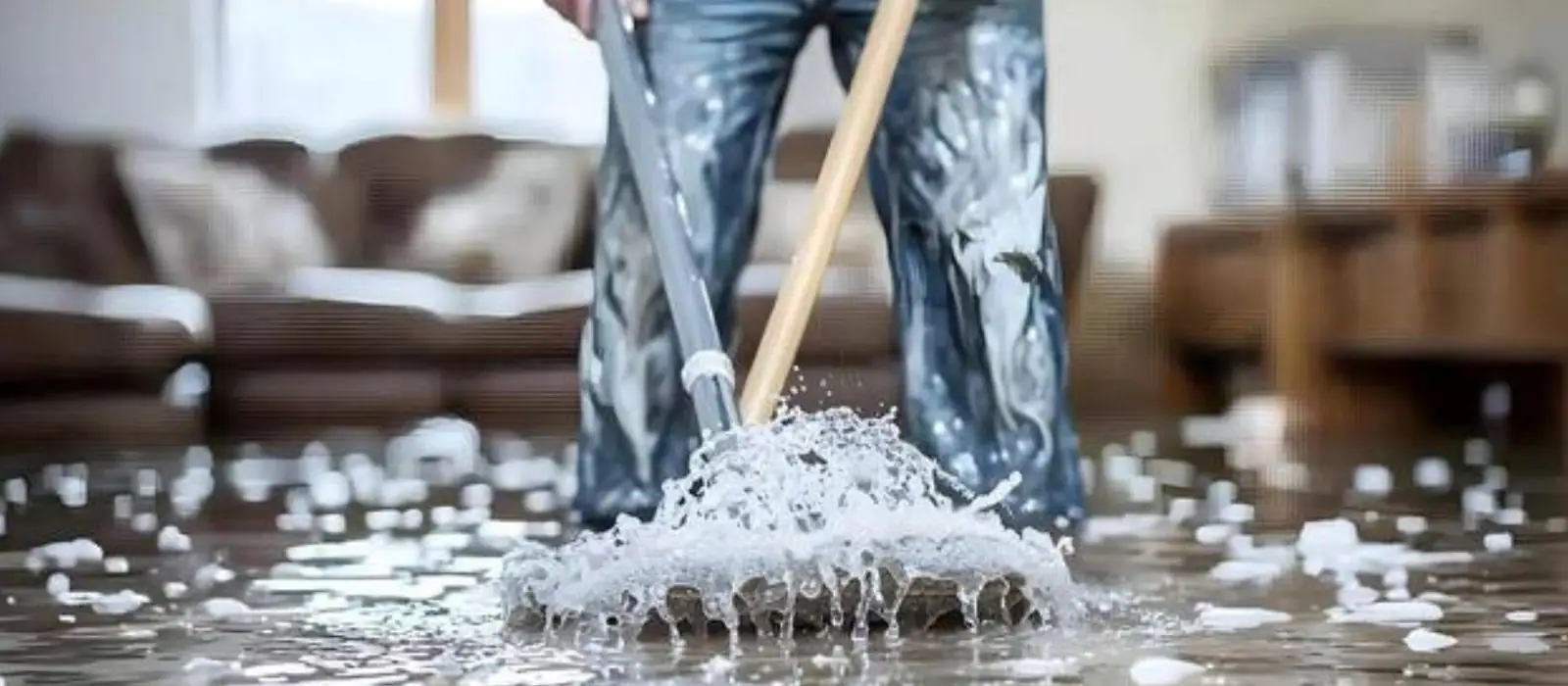
Water damage cleanup in Coppell, TX is the work that follows the first emergency response: removing soaked materials, debris and contaminated items, then sanitizing and deodorizing the space. Our dispatch line is open 24/7, and the first 48 hours matter most because wet porous materials begin to smell and break down quickly.
While you wait for a crew, keep people and pets out of the wet area, photograph damaged items before you move them, and set electronics and paper goods on a dry surface above the floor. Do not use a household vacuum on wet carpet, and do not turn on ceiling fixtures under a sagging ceiling.
What cleanup covers and what it leaves to other stages
Cleanup is one stage in a longer chain. Water mitigation stops the damage and sets up drying. Cleanup deals with what the water left behind: wet drywall, saturated insulation, carpet and pad, dirty residue on hard floors and the smell that settles into everything. Rebuilding comes after, under water damage repair.
Because the stages overlap, a good crew handles them as one plan. The same visit that removes a wet baseboard can mark the wall for drying equipment and photograph the moisture readings your insurer will want.
When cleanup cannot wait: the first 48 hours
Within about two days, porous materials that stayed wet begin to deteriorate. The Texas Department of Insurance warns that mold can start growing within a day after a leak, so speed matters for more than comfort. Wet carpet pad, particleboard cabinet bases and insulation are removed first because they hold water longest.
Crews also separate what can be cleaned from what cannot. A solid wood table can often be dried and cleaned, while upholstered furniture soaked by contaminated water usually cannot. Your list of damaged items becomes the record for a claim.
| Material | Clean water (Category 1) | Contaminated water (Category 2 or 3) |
|---|---|---|
| Carpet | Often dried in place after extraction | Removed and replaced |
| Carpet pad | Usually removed | Removed |
| Drywall | Dried if intact and quickly addressed | Cut out, usually to a height above the water line |
| Insulation | Removed if soaked | Removed |
| Sealed hard flooring | Dried and cleaned | Cleaned and disinfected |
| Particleboard furniture | Often not salvageable once swollen | Removed |
The three water categories used in the table above come from the ANSI/IICRC S500 water damage restoration standard. Category 1 is clean supply water, Category 2 carries some contamination and Category 3 is grossly contaminated, such as sewage or flood water. A crew assigns the category on site, and it can change if clean water sits long enough to pick up contamination.
Sanitizing and deodorizing
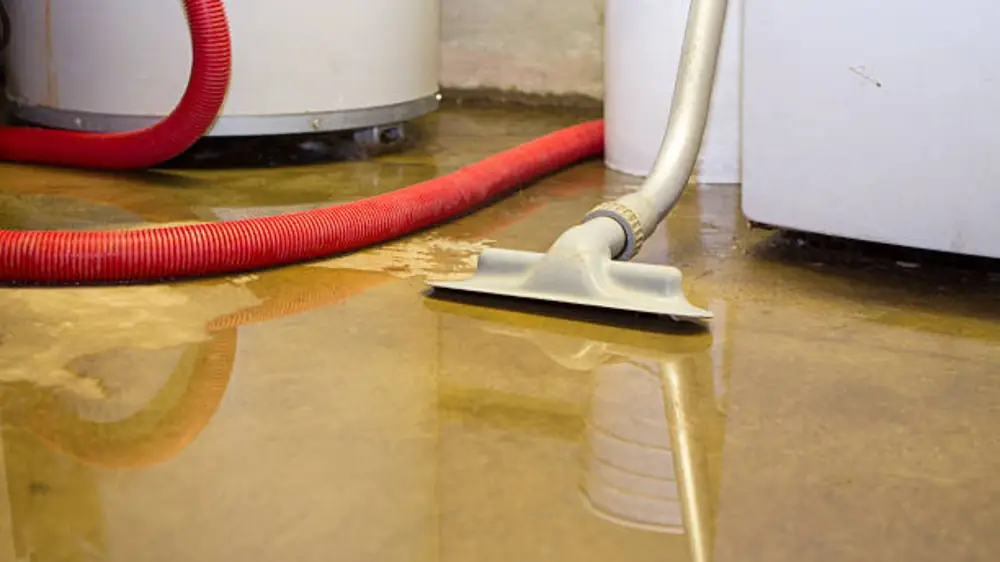
Sanitizing applies an antimicrobial treatment to hard surfaces and framing that stayed in contact with Category 2 or 3 water. Deodorizing is separate, and it depends on removing the source of the odor, not covering it. Air scrubbers with HEPA filters pull particles from the air while the work goes on, and hydroxyl or thermal methods are used only where they suit the space.
If the odor persists after cleaning, it usually means a wet layer is still hiding somewhere, such as under a plank floor or inside a wall cavity. That is a reason to run moisture readings again, not to add another scent.
Contents: furniture, electronics and personal items
Move small valuables, photos and paperwork out of the wet area right away, and do not turn on electronics that got wet. Larger items can be lifted onto blocks or foil so they are not sitting in water. Anything you cannot save should be photographed, listed and kept until your adjuster has seen it, unless it is a health or sanitation concern.
Renters, landlords and shared buildings in Coppell
About 29.9 percent of Coppell housing units were renter-occupied in the 2020 Census, so a good share of cleanup calls come from tenants. If you rent, tell your landlord or property manager at the same time you call, because the building policy and your own renters policy cover different things. Ask your landlord who authorizes the work, then keep your own photos regardless.
Commercial tenants in the business center buildings along South Belt Line Road face the same question, with a lease in place of a landlord policy. Check the lease, tell management, and keep records.
Sewage and contaminated water
If the water came from a toilet, sewer line or an overflowing washing machine drain, treat it as contaminated. Keep everyone out, wear no bare skin contact, and let a crew with protective equipment handle it.
Cleanup cannot wait?
Call the 24/7 line and explain what is wet. The dispatcher will tell you what to move, what to leave and what to photograph.
What changes the scope of cleanup
| Factor | How it changes the job |
|---|---|
| Water category | Contaminated water requires more removal and disinfection |
| Affected area | More wet square footage means more debris and labor |
| Materials involved | Porous materials are removed, hard surfaces can often be cleaned |
| Odor and residue | Lingering odors can mean a hidden wet layer to find |
| Disposal and access | Second floors, tight access and heavy debris add handling time |
Scope and price are explained before work starts. Sudden and accidental water damage is often covered by homeowner and renter policies, while gradual leaks and flood damage are generally not. Check your policy, ask your insurer, and save photos and receipts. If the loss began in a neighboring city, the same crews also handle cleanup in Carrollton.
Frequently asked questions
Do you handle water damage cleanup emergencies at night or on weekends in Coppell?
Yes. The dispatch line is answered 24/7. Tell the dispatcher what is wet and where the water came from, and you will get instructions on what to move and photograph while a crew is arranged. Same-day response is the goal when available, with no promised arrival time.
Can I do the cleanup myself?
Small clean-water spills can be dried by hand. Anything involving contaminated water, wet insulation, more than a small area of drywall or a lingering smell is better handled by a crew with extraction and drying equipment.
Why does my house still smell after the water is gone?
Usually because something is still wet or still holds residue. Moisture meters can find the hidden layer, and the material that holds the smell often has to be removed rather than treated.
Will my insurance pay for cleanup?
It depends on your policy and the cause. Many policies respond to sudden and accidental water, while gradual leaks and flood are generally excluded. Ask your insurer before you decide, and keep your photos.