
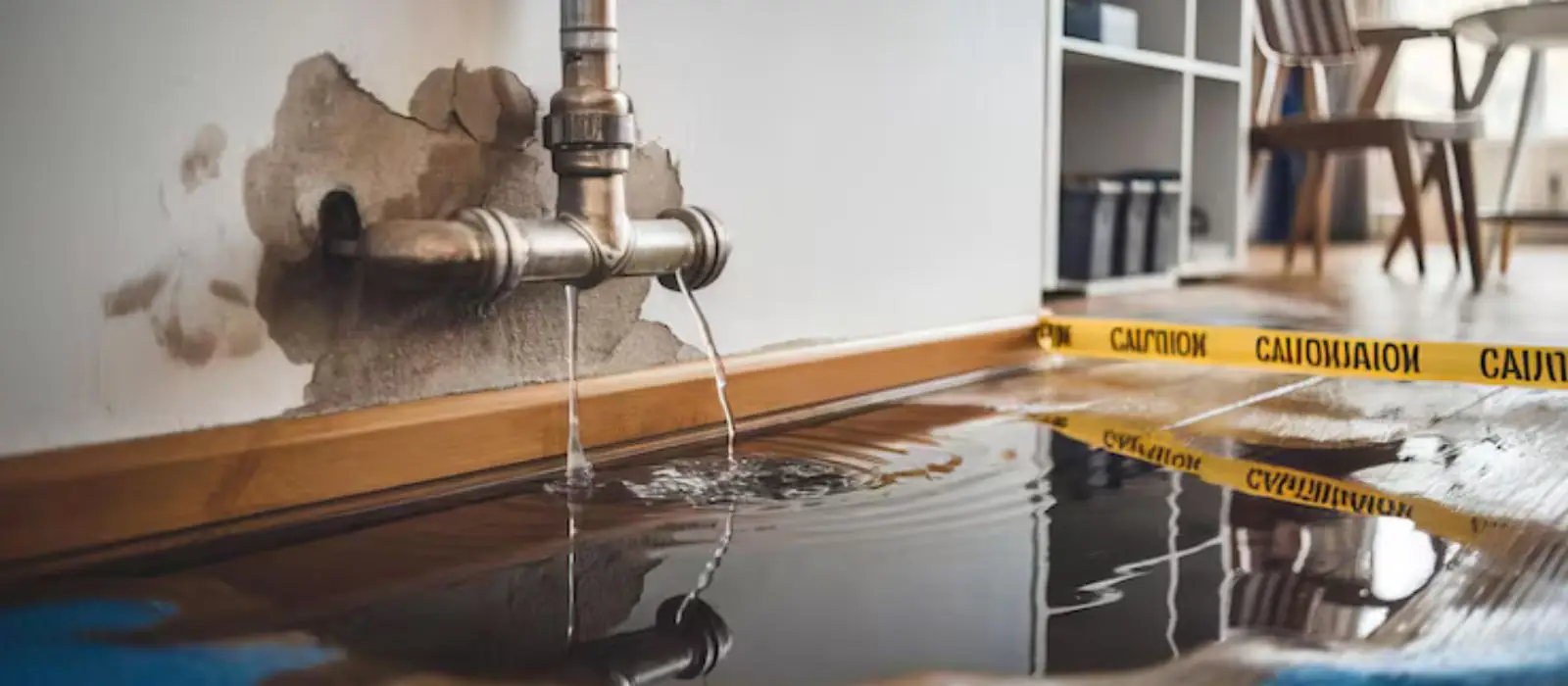
Water mitigation is the emergency stage of a water loss in Coppell, TX, and the clock starts the moment water leaves its pipe, roof line or appliance. Our dispatch line is open 24/7, so call as soon as you see standing water, a dripping ceiling or a soaked wall, even in the middle of the night.
While you wait for the crew, shut off the main water valve if the source is a supply line. Turn off power to wet areas only if you can reach the panel without stepping in water. Lift small valuables off the floor and keep children and pets out of the wet rooms. Take photos of everything before anything is moved.
Wet carpet, damp walls, a musty smell: is this mitigation?
Most people do not search for water mitigation. They search for what they can see: a carpet that squishes underfoot, a ceiling stain that keeps growing, a baseboard that has started to swell, or a closet that smells musty a few days after a leak. All of those point to the same job. Water is somewhere it should not be, and it is moving into materials that hold it.
Mitigation is the name for the work that stops that movement. It covers finding the source, removing standing water, pulling out materials that cannot be dried in place, and setting up drying equipment so the rest of the structure returns to a normal moisture level. If any of the symptoms above describe your house, you are in the right place, and the sooner the call, the smaller the job tends to be.
What water mitigation actually involves
A mitigation visit follows a fixed order. The crew confirms the water source is stopped, checks for electrical hazards, and classifies the water as Category 1, 2 or 3 under the ANSI/IICRC S500 water damage restoration standard. Then they map where the moisture went, because water rarely stays where it landed. It wicks up drywall, runs under flooring and travels along framing.
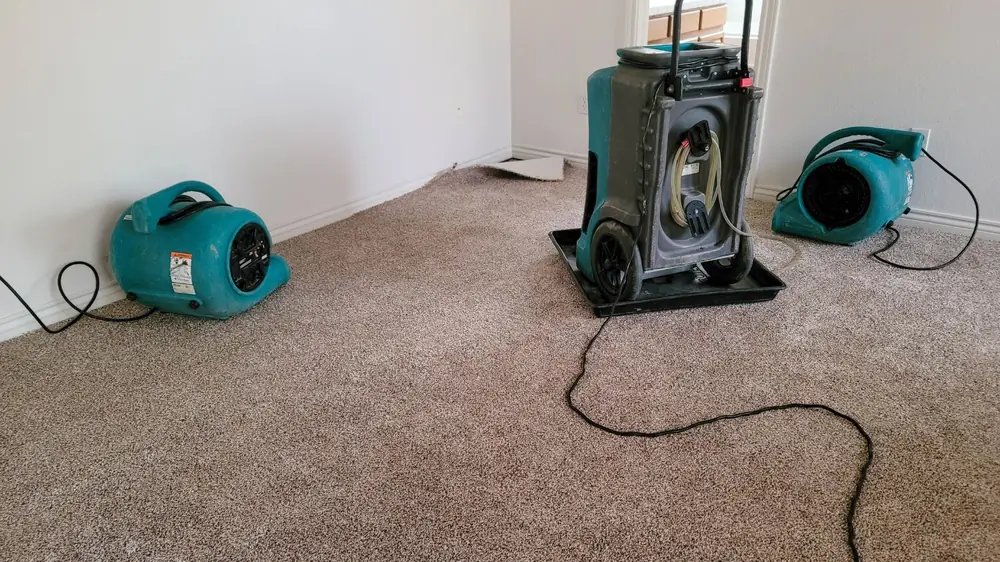
Moisture meters and thermal imaging cameras show that spread without tearing open every wall. Extraction units remove standing water, wet carpet pad and soaked insulation come out, and air movers and LGR dehumidifiers go in. Everything is logged so you and your insurer can see what was wet and when it dried.
| Window | What happens | What you can do |
|---|---|---|
| First hour | Source is stopped and the area is made safe | Shut the main valve, avoid wet outlets, photograph the damage |
| Hours 2 to 12 | Extraction and moisture mapping | Move small items and rugs to a dry room |
| Day 1 | Unsalvageable materials removed and drying equipment placed | Keep doors to the drying area closed and equipment running |
| Days 2 and 3 | Daily moisture readings, equipment adjusted | Do not turn equipment off to save noise or power |
Structural drying: how a wet house gets dry again
Structural drying is the longest part of mitigation and the part most homeowners never see done properly. Air movers push dry air across wet surfaces so moisture leaves the material. LGR dehumidifiers pull that moisture out of the air so it cannot settle somewhere else. Drying goals are set from readings taken in an unaffected part of your own house, so the target is based on your materials and not a guess.
Readings are taken every day and equipment is moved as areas reach the goal. Hardwood, plaster and framing take longer than carpet or drywall, so drying time depends on what the water touched. The job ends when the readings, not the calendar, say the structure is dry.
Why Coppell homes often need mitigation sooner than owners expect
Coppell grew from 3,826 residents in 1980 to 35,958 in 2000, and nearly all of its residentially zoned land was built out by then. That means many houses are now 25 to 45 years old, with original supply lines, water heaters and washing machine hoses that have aged along with them. A failed fitting inside a wall can leak for days before a stain shows.
Those hidden leaks are why moisture mapping matters. A stain on the ceiling is usually the end of the water's path, not the start. If you are seeing damage in one room, assume the wet area is larger and ask for readings before anything is closed back up.
When water is an emergency and cannot wait for morning
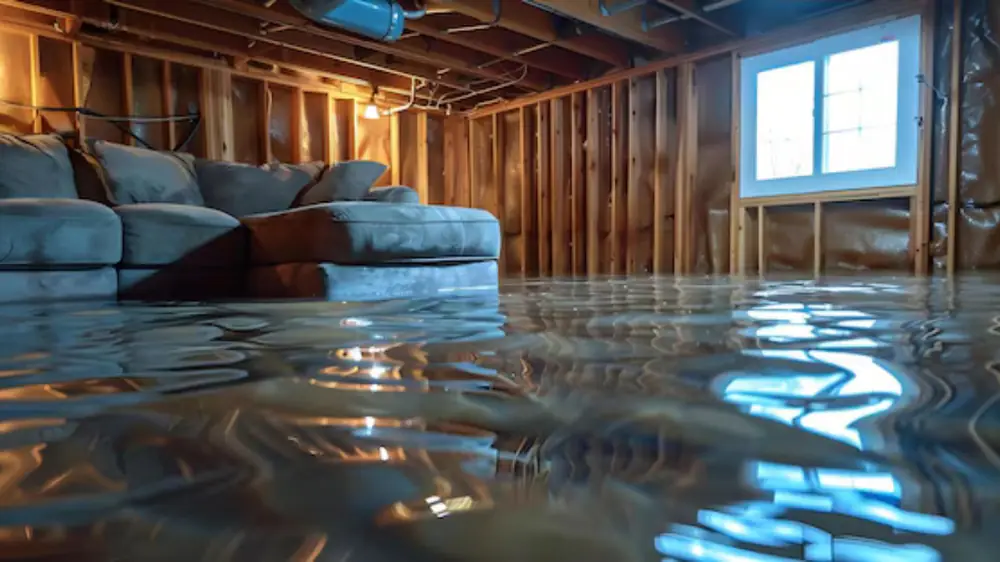
Treat it as an emergency when water is still flowing, when it has reached an outlet, appliance or electrical panel, when more than one room is wet, or when the water may have come from a sewer line or toilet backup. Those situations get worse by the hour, and some carry safety risks that have nothing to do with the damage itself.
Electrical or gas risk comes first
If water is near the panel, a smell of gas is present, or you hear buzzing from outlets, stay out of the room and call 911 or your utility before you call us. Cut power only if you can reach the breaker box while standing on dry ground.
Call the 24/7 dispatch line
Describe what you see and the dispatcher will tell you what to do while the crew is on the way.
What affects the size and cost of a mitigation job
| Factor | Why it matters |
|---|---|
| Water category | Clean supply water, gray water and sewage need different handling and disposal |
| Affected area | More square footage means more air movers, dehumidifiers and labor |
| Materials involved | Carpet and drywall dry or come out quickly, while hardwood and plaster take longer |
| Drying days | Equipment time depends on daily readings, not a fixed schedule |
| Access and hidden spread | Wet insulation or flooring layers can add removal steps |
Scope and price are explained before work starts, and you can get a real number by calling (817) 623-9267. On insurance, sudden and accidental water damage such as a burst pipe or failed washer hose is often covered, while gradual leaks and neglect often are not, and flood damage is usually excluded unless you carry separate flood coverage. Check your policy or ask your insurer, and keep your photos and moisture logs for the claim.
How mitigation connects to the rest of the job
Mitigation ends when the structure is dry, but the house is not finished. Anything removed has to be rebuilt, which is covered under water damage repair. Standing water that needs pumping first is handled through emergency water removal, and sanitizing and deodorizing after the water is stopped falls under water damage cleanup.
If your damage started in a neighboring town, the same crews cover water damage restoration in Carrollton and the other nearby cities.
Frequently asked questions
Do you handle water mitigation emergencies at night or on weekends in Coppell?
Yes. The dispatch line is answered 24/7, including nights, weekends and holidays. Call, describe the source and the rooms affected, and you will be told what to do while a crew is arranged. We do not promise a fixed arrival time, but same-day response is the goal whenever it is available.
How long does structural drying take?
It depends on what got wet. Carpet and drywall often reach their drying goals in a few days, while hardwood, plaster and framing take longer. Daily moisture readings decide when equipment comes out, not a preset number of days.
What equipment will be running in my house?
Expect air movers to push air across wet surfaces and LGR dehumidifiers to remove moisture from the air, sometimes with an air scrubber if the water was contaminated. Moisture meters and a thermal camera track the progress without opening every wall.
Should I start pulling up carpet myself?
Photograph the damage first, then move small items out of the water. Pulling carpet and pad is usually part of the mitigation plan, and doing it too early without gloves or containment can spread contaminated water. If you can wait for the crew, let them decide what comes out.
Is water mitigation covered by insurance in Texas?
Many homeowner and renter policies cover sudden and accidental water damage, and the Texas Department of Insurance advises documenting everything before repairs. Gradual leaks are generally not covered and flood needs a separate policy. Read your policy and ask your insurer what applies to your loss.