
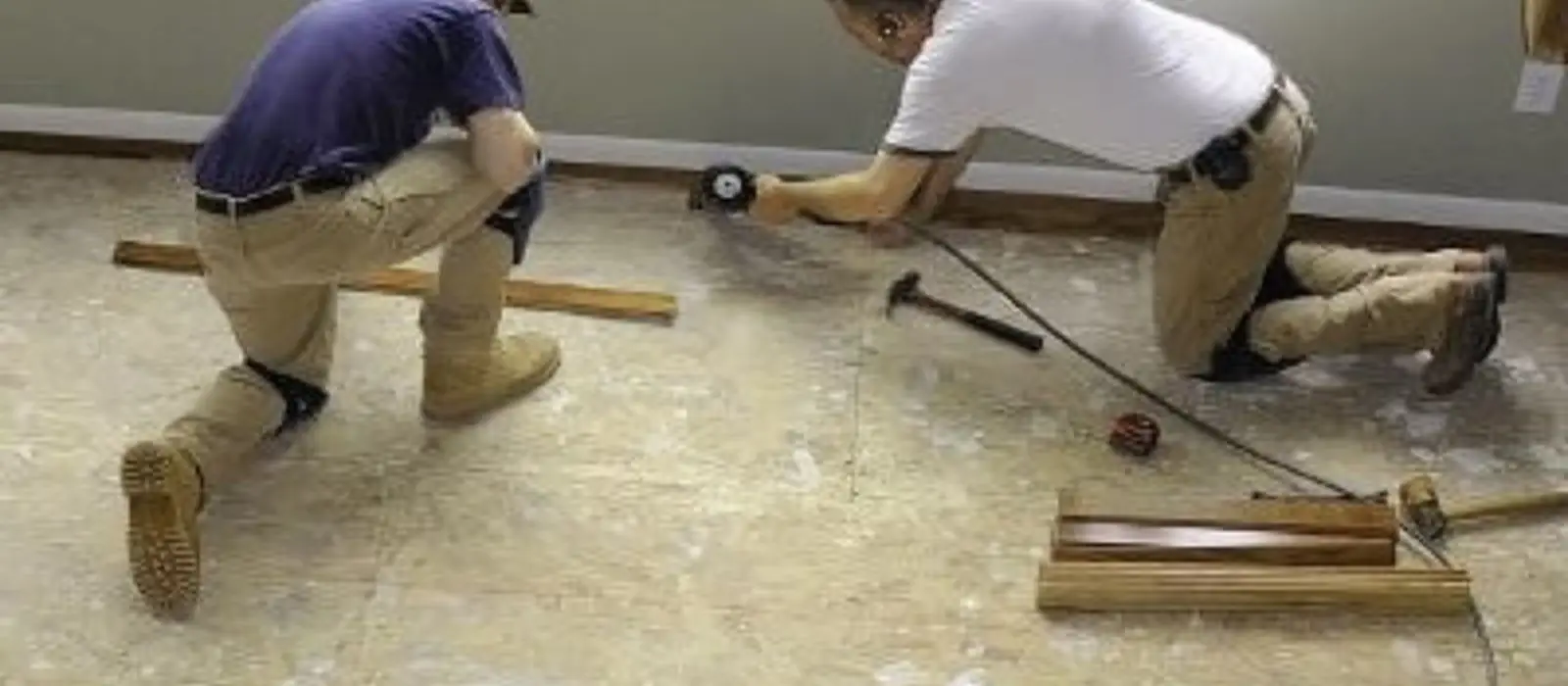
Water damage repair in Coppell, TX begins after the water is stopped and the structure has been dried to its goals. It is the rebuild: patching or replacing drywall and ceilings, replacing insulation, flooring and cabinet bases, and repainting so the room looks like it did before the loss. Our line is answered 24/7 for emergencies, and repair work is scheduled once your readings are dry.
Repairing too early is the most common mistake. New drywall over a wall that is still damp can hold the moisture in, and mold or a stain can return. The sequence on this page keeps the order right.
What repair covers and when it starts
Repair is different from cleanup and mitigation. Water mitigation stops the spread, water damage cleanup removes what cannot be saved, and repair puts the house back together. A repair plan should start from your final moisture readings, which show that framing, subfloor and drywall are at normal levels.
If the source of the water has not been fixed, nothing else is worth rebuilding. A failed supply line, roof flashing or condensate line needs its own repair first, and that repair usually belongs to a plumber, roofer or HVAC technician.
| Area | Typical repair | Trade-off to know |
|---|---|---|
| Drywall | Cut out wet sections, replace, tape, texture, paint | Matching the existing texture takes skill |
| Ceiling | Replace sagging drywall, seal stains, repaint | Stain-blocking primer is needed before paint |
| Insulation | Replace wet batts or blown-in material | Wet insulation holds water and should not stay |
| Flooring | Replace carpet, laminate or damaged boards | Matching old boards and color can be difficult |
| Cabinets | Replace swollen bases or kick plates | Particleboard that has swollen cannot be restored |
| Baseboards and trim | Remove, dry the wall behind, reinstall or replace | Paint and caulk are part of the job |
Ceiling and wall water damage repair
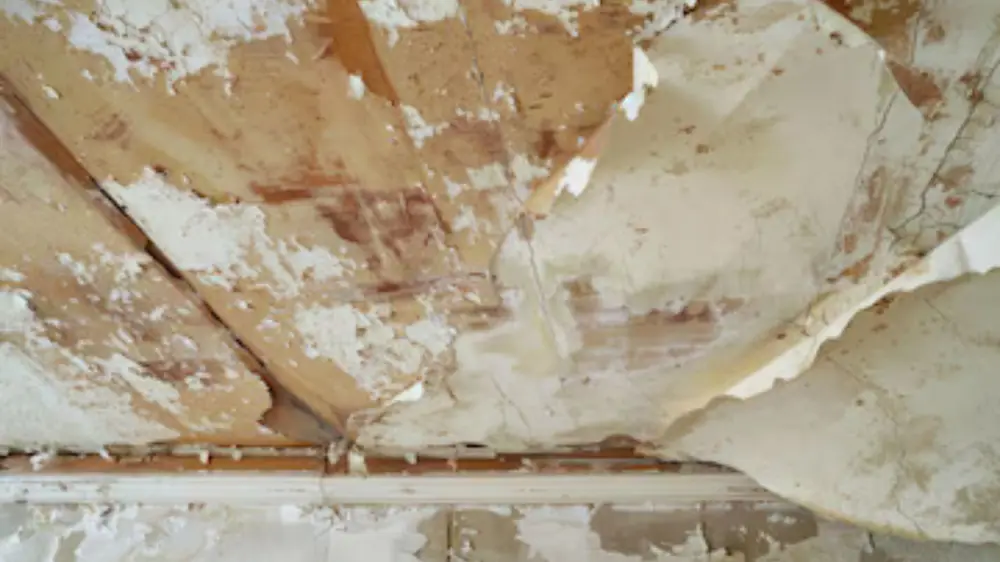
A ceiling stain is the visible end of a water path, and the cause could be a roof leak, an upstairs fixture, a failed supply line or an air conditioner condensate line that backed up. Once the cause is fixed and the area is dry, a damaged ceiling is cut back to solid, dry drywall, patched, taped, textured and primed with a stain-blocking primer before the final paint.
Walls follow the same order. Wet baseboard, the bottom section of drywall and any wet insulation are removed, the cavity is dried, and new material goes in only after readings confirm it is dry. A small stain that has dried and stopped growing may only need sealing and paint, but a sagging, soft or bubbling surface should be replaced.
Hardwood floor cupping and flooring repair
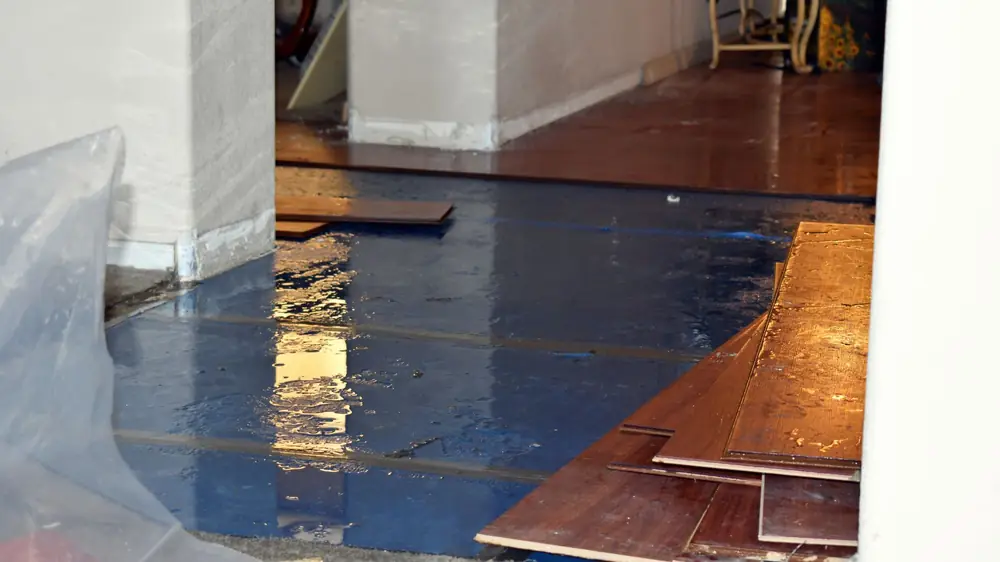
Cupping happens when the bottom of a board takes on more moisture than the top, so the edges rise. It shows up after a washing machine valve breaks, a dishwasher leaks or water sits under a floor. Boards often settle back when they are dried slowly with dehumidification and floor drying mats, so sanding and refinishing should wait until moisture readings are normal.
Laminate and engineered flooring usually swell at the seams and does not return to shape. Those floors are replaced, and the subfloor underneath is checked before new flooring goes down.
Matching, finishing and permits
Paint, texture and trim are often what make a repair disappear or stand out. Ask how the contractor will match texture and sheen, and whether the whole wall or ceiling will be repainted, since patching a single spot often shows once it is dry.
Some repairs, such as structural work or electrical and plumbing changes, can require permits. The City of Coppell has a Permits page with online self-service, and permit rules vary by project, so ask the city building department whether your work needs one before it begins.
Safety steps before any repair begins
- Confirm the source of the water has been fixed and the final moisture readings are dry.
- Have power to the work area checked before any cutting. Do not cut into walls or ceilings near wiring without knowing where it runs.
- Wear gloves, eye protection and a dust mask when cutting or removing drywall and insulation.
- Stop and call if you find dark growth, a musty smell or soft framing, since that changes the scope.
- Never paint over a stain or seal a wall until it has been checked with a moisture meter.
Drying goals in professional work follow the ANSI/IICRC S500 standard, which compares readings in affected materials to readings from unaffected ones in the same building. Repair belongs after those goals are met.
What affects the cost and scope of repair
| Factor | How it changes the job |
|---|---|
| Size of the repair area | Larger surfaces need more material and finishing time |
| Materials removed | Drywall, flooring and cabinets all price differently |
| Matching requirements | Texture, color and board matching affect labor |
| Source repair | A plumbing, roof or HVAC fix may be a separate scope |
| Drying status | Repair cannot start until readings are dry |
Scope and price are explained before work starts. Many policies cover sudden and accidental water damage and the repair that follows, while damage from slow leaks or neglect is often excluded, so check your policy and ask your insurer. If you are somewhere else in the area, the same repair service covers Irving and Grapevine.
Ready to rebuild?
Call and describe what was removed and where the readings stand. If water is still spreading, ask the dispatcher about emergency help first.
Frequently asked questions
When can repairs begin after water damage?
After the structure has reached its drying goals and the source has been repaired. Your mitigation crew can share the moisture readings that show it is dry. Starting earlier risks trapping moisture.
Can a water-stained ceiling just be painted over?
Only if the ceiling is dry, firm and the cause has been fixed. Paint alone will bleed through, so a stain-blocking primer is used first. A soft, sagging or bubbling ceiling should be replaced.
Will hardwood floors that cupped go back to normal?
Often, if they are dried slowly and completely. Sanding too early can leave the floor flat when wet and then cupped the other way later. Wait for normal moisture readings.
Do I need a permit for water damage repairs in Coppell?
It depends on the work. Cosmetic repairs often do not, while structural, electrical or plumbing changes can. The City of Coppell building department can tell you, so ask before the work starts.