

Flood damage restoration in Coppell, TX deals with water that came from outside the plumbing: heavy rain, runoff, an overflowing creek or a sewer that backed up. Our dispatch line is answered 24/7, and flood calls are treated as emergencies because this water is rarely clean.
Until a crew arrives, stay out of the water, switch off electricity to the affected area only if you can reach the panel dry, and move to higher ground if water is still rising. Call 911 or your utility for any electrical or gas concern before you call us.
Why flood water is different from a pipe leak
Under the ANSI/IICRC S500 standard, water from a supply line is Category 1, while storm runoff and sewage are Category 3. Flood water carries soil, bacteria and whatever the water crossed on its way into the house. That changes the work: porous materials such as carpet, pad, insulation and the lower part of drywall are usually removed, and hard surfaces are cleaned and disinfected before drying starts.
It also changes the insurance conversation. Standard homeowner policies exclude flood, and the City of Coppell notes that a separate flood policy is needed for rising water.
Coppell's creeks and what the city says about flood risk
Four waterways flow through or border Coppell: Denton Creek, Grapevine Creek, Cottonwood Creek and the Elm Fork of the Trinity River. The city's Engineering Department, at 265 Parkway Blvd, keeps floodplain maps and can evaluate whether your property is in or near a floodplain. Ask there before you assume your address is safe or at risk.
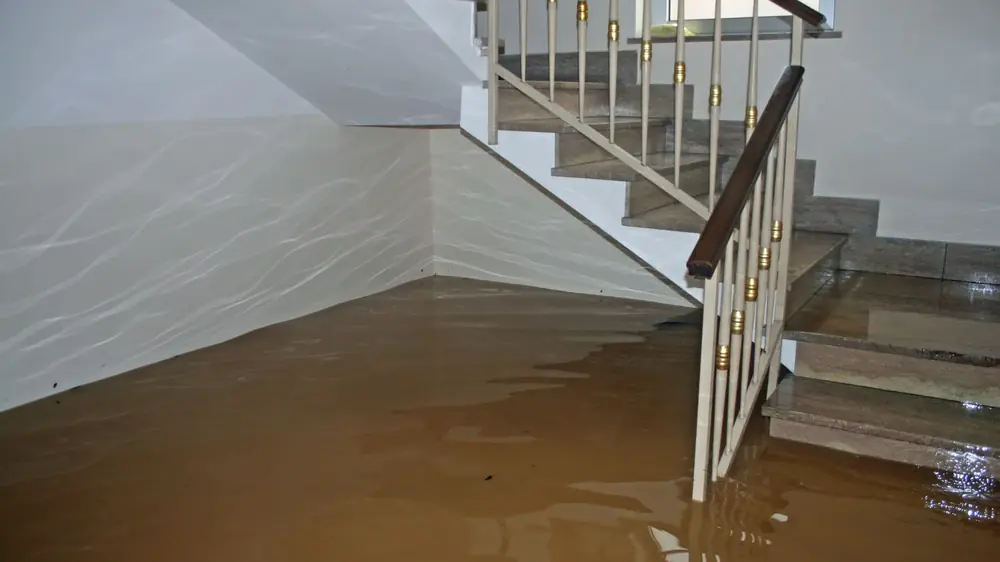
In June 2015, rain from Tropical Storm Bill pushed Lake Grapevine into Denton Creek, and hundreds of Coppell residents woke up to creek water in their yards. The lesson for homeowners is practical: know your address's flood status before the rain starts, not after the creek is in the yard.
The flood restoration sequence
- Safety assessment, with electrical and structural checks before anyone enters the wet area.
- Extraction with submersible pumps and portable or truck-mounted units.
- Removal of porous materials that contact with flood water has contaminated.
- Cleaning and antimicrobial treatment of floors, studs and hard surfaces.
- Structural drying with air movers and LGR dehumidifiers, tracked with daily moisture readings.
- Documentation of every step for your records and your insurer.
Basement and lower-level flooding cleanup
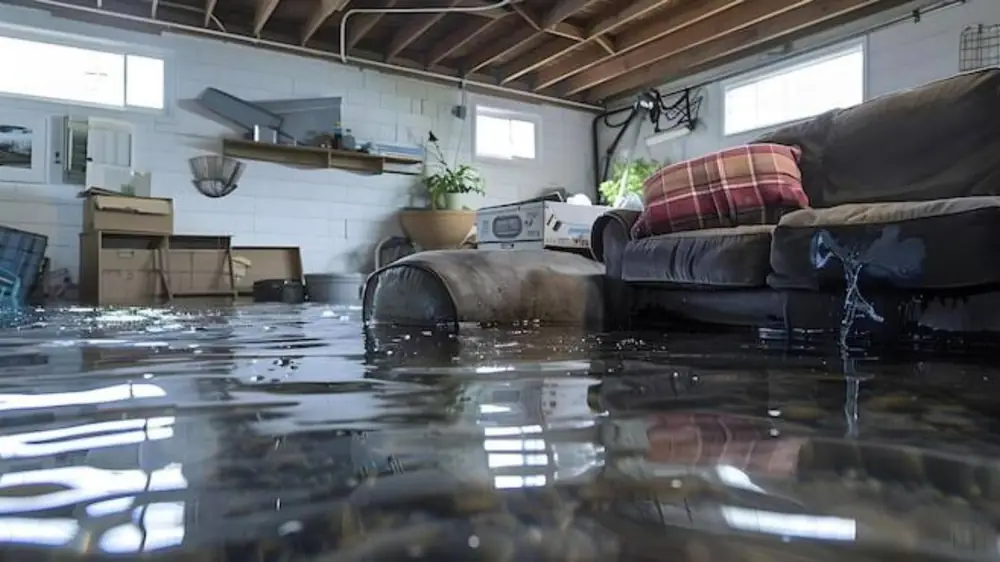
If your home has a basement, a walkout level, a sunken garage or a below-grade utility room, flood water collects there first. Water in a lower level is often under pressure from saturated soil, and it can carry silt that dries into a film on every surface.
Crews pump the water down in stages so the structure is not stressed by a sudden change in pressure. Then the room is stripped to the point where drying can reach the materials that remain. If the lower level also holds a water heater, furnace or electrical panel, expect those to be checked by the appropriate trade before they are turned back on.
Sewage backup: what to do first
A sewage backup is Category 3 water from the start, whether it came from a street main during heavy rain or a blocked line on your property. Keep everyone out, do not flush toilets or run water, and call. Crews wear protective gear, remove contaminated porous materials, disinfect hard surfaces and set up air scrubbers when odor and airborne particles are a concern.
Plumbing repairs to find the cause of a backup are a separate trade. We restore the damage, and your plumber or the city handles the line.
Do not wade through flood water
Flood water can hide live electrical hazards and sharp debris, and it is contaminated. If water is above outlet height, leave the area and call 911 or your utility before calling a restoration crew.
Water coming in now?
Call the 24/7 line. The dispatcher will ask where the water is entering and help you stay safe until the crew is on the way.
What affects a flood restoration scope
| Factor | How it changes the job |
|---|---|
| Water category | Category 3 water means more removal, cleaning and protective steps |
| Depth and duration | Longer contact leaves more materials unsalvageable |
| Affected area and levels | Multiple rooms or floors increase equipment and labor |
| Materials involved | Porous materials come out, hard surfaces can be cleaned |
| Rebuild scope | Drywall, flooring and cabinets that were removed must be replaced |
Scope and price are explained before work starts. Ask your insurer whether your policy includes flood coverage. The City of Coppell advises that flood policies carry a 30-day waiting period, and that about 40 percent of flood claims paid are for properties outside the 100-year floodplain, which is why the city recommends coverage even if your lot is not mapped in one.
Nearby towns and where this page connects
Flooding rarely stops at a city line. The same storms that raise Denton Creek affect homes in Lewisville and Grapevine, and the same crews respond. Once the water is out, the drying plan is covered on the water mitigation page, and reconstruction is handled under water damage repair.
Frequently asked questions
Do you handle flood emergencies at night or on weekends in Coppell?
Yes. Flood and storm calls are taken 24/7, including during heavy rain at night. Same-day response is the goal when it is available, and the dispatcher will give you safety steps while a crew is arranged. No arrival time is promised.
Does homeowners insurance cover flood damage in Coppell?
Standard homeowner policies generally exclude flood, and the City of Coppell says a separate flood policy is needed. Water from a burst pipe or appliance is a different matter and is often covered. Check your policy and ask your insurer.
How do I find out if my Coppell address is in a floodplain?
The City of Coppell Engineering Department, at 265 Parkway Blvd, keeps floodplain maps and can evaluate whether a property is in or near a floodplain. Floodplain information is also posted on the city website.
Can carpet be saved after flood water?
Usually not. Flood water is Category 3, so carpet and pad are typically removed, even when they look dry on the surface.
Do you fix the sewer line that backed up?
No. We restore the damage, and the plumber or the city handles the line itself. We can tell you what we see so the right trade is called.