
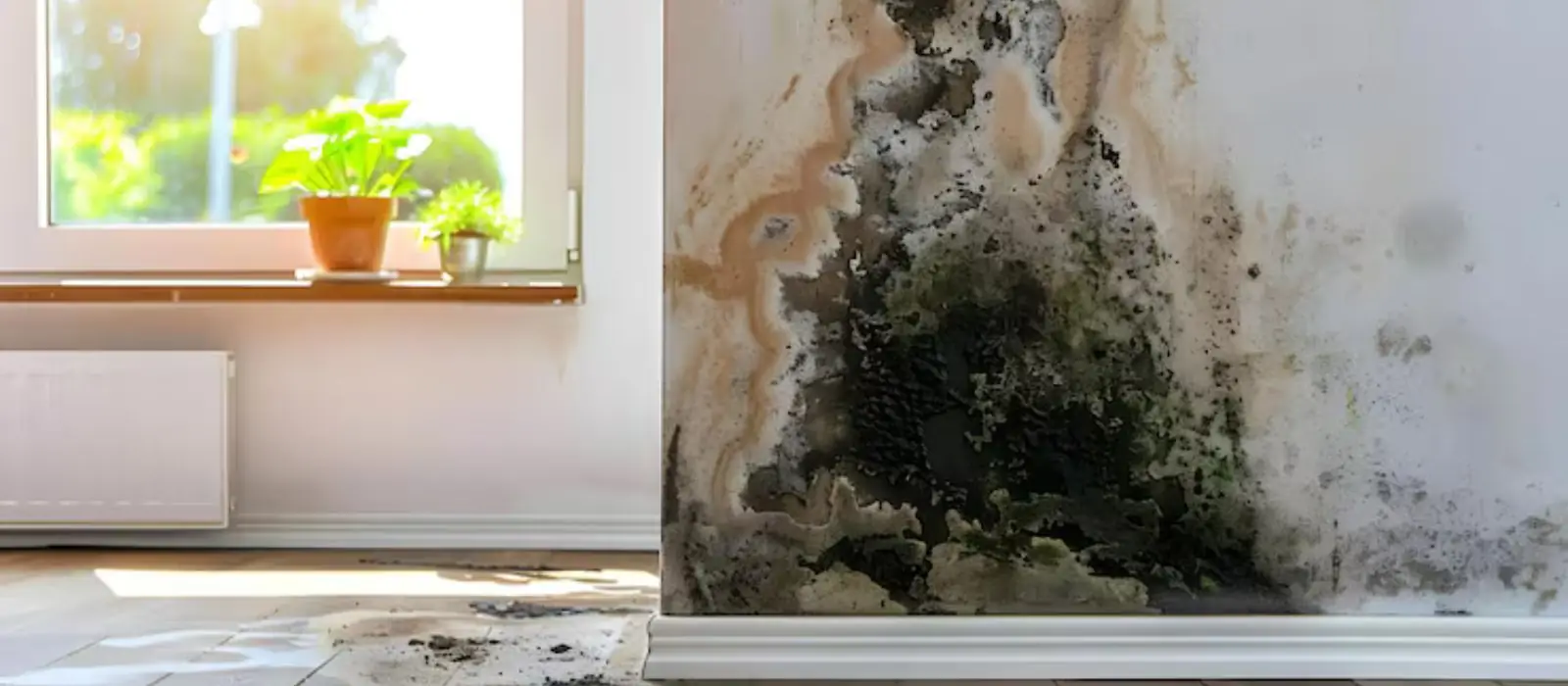
A dishwasher hose lets go on a Friday night, you mop the kitchen, and by Monday the cabinet base smells off. That small story plays out across Coppell, TX every year, and it shows the core connection between water damage and mold.
Mold is a moisture problem first. Remove the moisture quickly and thoroughly, and the conditions mold needs never form. Leave materials damp, and they do.
What mold actually needs
Mold needs three things: moisture, a food source and time. Drywall paper, wood framing, insulation backing, carpet pad and dust all serve as food, and almost every house is full of them. The only ingredient you can control is moisture.
That is why restoration crews focus on drying numbers rather than on how a room looks. A floor can feel dry on top while the pad underneath still holds water.
The timeline after a leak
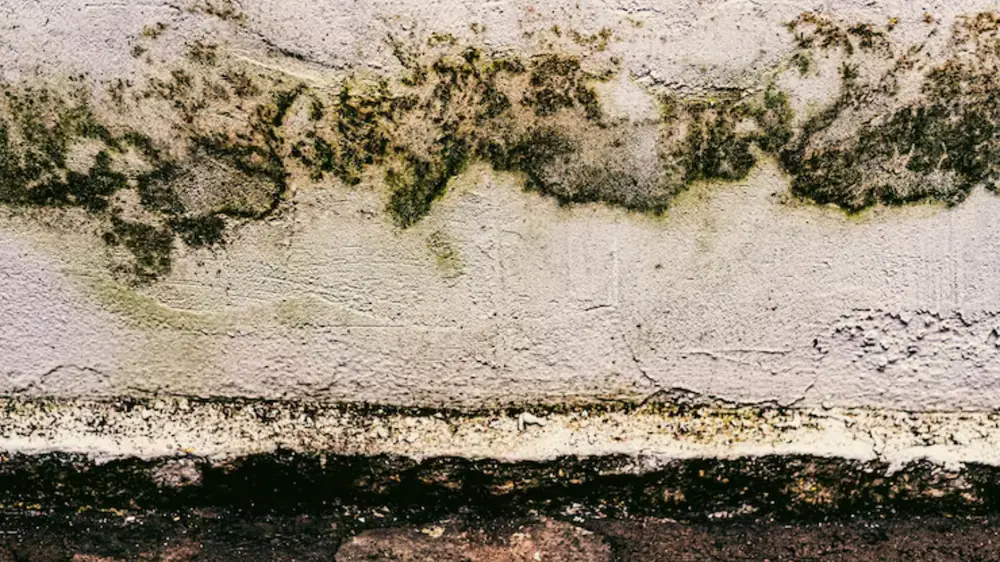
Texas Department of Insurance consumer guidance states that mold can start growing within a day after a leak. That does not mean a house is ruined in 24 hours. It means the window for drying is short, and the first day matters most.
The table below shows the general progression of a wet building and where action changes the outcome.
| Time since leak | What is typically happening | Best action |
|---|---|---|
| First hours | Water spreads into drywall, trim and subfloor | Stop the source and extract standing water |
| Day one | Materials stay wet and growth conditions can begin | Start air movers and dehumidifiers |
| Days two and three | Damp pockets persist behind finished surfaces | Moisture mapping and targeted tear-out |
| After about a week | Visible spotting, odor or staining may appear | Professional inspection and a written scope |
Why drying speed beats cleaning speed
People often reach for cleaning products first. Wiping a wall does nothing about moisture inside the cavity behind it. Only air movement and dehumidification pull water out of building materials.
Crews use LGR dehumidifiers because they keep working when the air is already fairly humid, and they track progress with moisture meters. The method is described on the water mitigation page.
Warning signs to check after a leak
- A musty smell that returns after you air out the room
- Paint that bubbles, peels or shows a tide line
- Dark spotting on ceilings, closet walls or the underside of cabinets
- Baseboards that swell or pull away from the wall
- Carpet that stays cool or damp to the touch days later
None of these confirm mold on their own, because stains can come from other sources. They do tell you that moisture is still present, which is the part that needs attention.
Hidden spots that stay wet longest
Closets are common trouble spots because shoes, boxes and clothing hold humidity against exterior walls and ceilings. Air conditioner condensate lines can also back up and wet the ceiling around a closet or hallway unit.
Under sinks, behind refrigerators and inside wall cavities next to showers are other places where a slow drip can run for weeks. If something smells damp and you cannot see why, a thermal imaging camera can show cooler wet areas behind the paint.
Seasons that raise the odds
North Texas has an average of 29 freezes per season in the 1991 to 2020 National Weather Service normals. A pipe that splits during a hard freeze may drip inside a wall for hours before anyone notices, and the thaw then delivers the water all at once.
Summer brings its own risk. Air conditioners run hard, condensate lines clog, and cool ducts sweat in hot attics. Check the drain pan and the line at the start of the cooling season, and look at ceilings below the unit after any long hot stretch.
What to do in the first 24 hours
- Shut off the water at the fixture valve or the main.
- Remove standing water and pull up wet rugs.
- Move wet items to a dry, ventilated space.
- Run fans and a dehumidifier while you arrange professional drying.
- Photograph everything before it is cleaned or discarded.
When testing and remediation come into the picture
If growth is visible, spreading or tied to a leak that sat for days, a professional inspection helps define the scope. Remediation under the published ANSI/IICRC S520 standard involves containment, removal of affected materials and cleaning, followed by confirming that the cause of moisture has been fixed.
Questions about health belong with a physician. A restoration company can address the building, not diagnose how anyone is feeling. Details are on the mold remediation page.
Found a leak or a damp smell?
Call the 24/7 line, describe the room and the source, and get a drying plan before the moisture settles in.
Coppell conditions that affect moisture
Dallas/Fort Worth averages 37.01 inches of precipitation a year in the National Weather Service 1991 to 2020 normals. Roof and window leaks therefore come in seasons rather than as a constant drip, and a stain that appears after a heavy rain deserves an attic check before the next one.
Coppell sits at about 512 feet of elevation and shares borders with Grapevine, Lewisville, Carrollton and Irving, so the same weather systems cross all five. If your neighbors across a city line had leaks after a storm, check your own ceilings and attic insulation.
Texas Department of Insurance guidance says gradual leaks are generally not covered by home policies, and it advises reporting hidden damage within days of first seeing it. A slow, unnoticed leak is the kind most likely to become a mold question, so document what you see and when.
Frequently asked questions
Does every water leak lead to mold?
No. Mold needs materials to stay wet, so a leak that is stopped and dried quickly often does not lead to it. The risk rises when damp materials sit for days.
Can I dry a wet wall myself?
Surface fans help, but they rarely reach the inside of a wall cavity. A moisture meter reading tells you whether the drywall and framing are actually dry.
Is bleach the right product for mold on drywall?
Porous materials like drywall usually cannot be cleaned back to normal, and the moisture source matters more than the cleaner. For anything beyond a small surface spot, ask a professional to assess it.
Do homes in Coppell, TX need mold testing after every leak?
Not automatically. Testing is a tool for specific questions, such as clearance after remediation or a real estate request. After a leak, drying and moisture readings come first.
Will insurance cover mold from a leak?
Texas Department of Insurance guidance says mold that grows on a covered damaged item is covered too, but mold from gradual leaks or floods is generally not, and mold cleanup and testing may be excluded. Check your policy and ask your agent about options.
The same guidance applies in neighboring Grapevine and Lewisville, where crews are dispatched around the clock.